Wedding Bouquet Ideas: The Best Styles, Flowers & Modern Trends

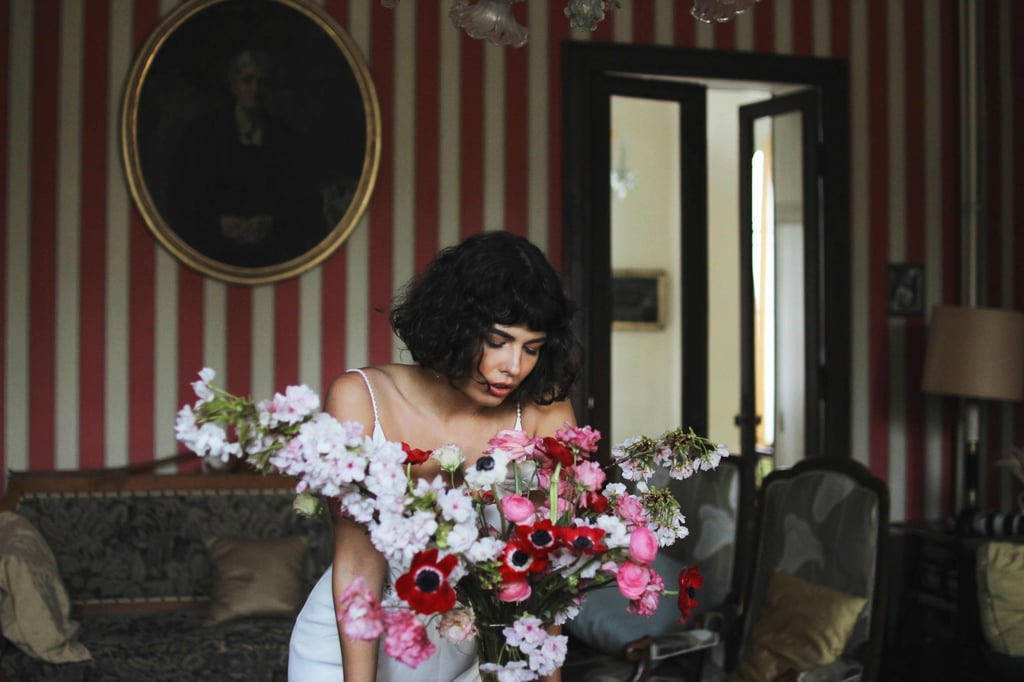
If you’re searching for wedding bouquet ideas to inspire your own, we’ve got you.

Choosing your wedding bouquet is one of the crucial decisions you’ll make when it comes to your overall look – from the shape to the colour palette, the flower varieties to the size, it needs to bring your wedding outfit and aesthetic to life in all of its aspects.
That’s why we at Bridebook, the UK’s #1 wedding planning platform used by over 2.8 million couples, have compiled some of our favourite wedding bouquet styles and ideas to help you decide on the style of arrangement you’ll carry down the aisle.
From bouquets by season and colour, to dried and faux flower options – plus practical, florist-approved tips on how to choose your wedding bouquet – it’s all here.
Bouquet style | Best for |
Posy | Small, easy-to-hold bouquets; registry office and intimate weddings |
Hand-tied | Relaxed, garden-style weddings; the most versatile shape |
Cascading | Statement looks; column dresses or sleek outfits |
Single stem | Minimal, modern styling; city and civil ceremonies |
Dried or faux | Keepsakes, destination weddings, allergy-friendly options |
Bouquet bag | Playful, fashion-led looks; hands-free moments |
What Are the Different Types of Wedding Bouquet?
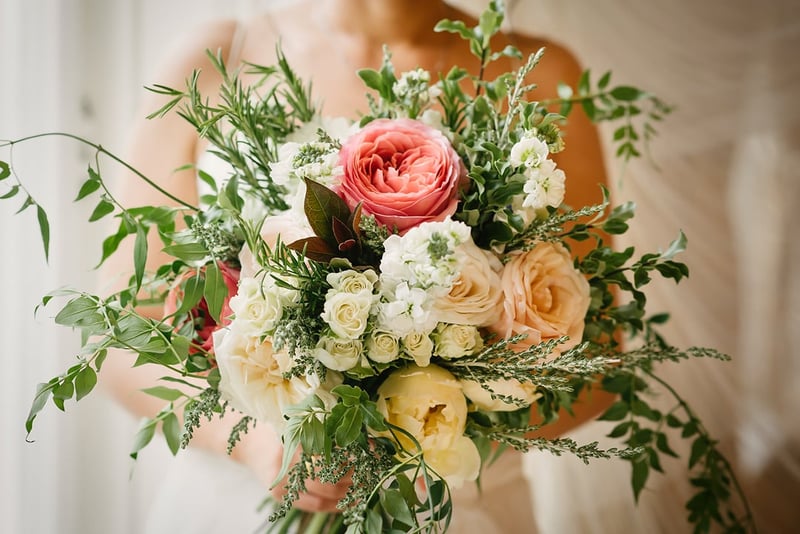
From pomanders and posies to asymmetric hand-tied styles, wedding bouquets can take on a variety of different forms. Some of the most common types of wedding bouquet include:
- Posy: Round, classic and easy to hold in one hand, a posy is perfect if you’re looking for a small wedding bouquet. Keep it loose by binding the stems with ribbon, or keep the blooms compact for something more structured.
- Nosegay: The most petite of all the wedding bouquet styles, a nosegay will often only feature a few stems of the same bloom, often compact and tightly wrapped in silk.
- Hand-tied bouquet: Frequently the most requested wedding bouquet style, particularly for garden weddings. Hand-tied bouquets offer a relaxed, natural and loosely gathered look with stems of varying heights, mixed foliage, and a ribbon-bound grip.
- Pomander: A sphere of flowers carried on a ribbon loop that’s worn around the wrist; pomanders are often carried by bridesmaids and flower girls as an alternative to a posy and make a great hands-free option.
- Sheaf or presentation bouquet: A striking, pageant-inspired option that features long stems cradled in the arm, rather than held at the front with both hands. They work beautifully for vintage-style weddings and outfits but, when done with colourful delphiniums or modern calla lilies, can also look super contemporary.
- Biedermeier: A tightly packed floral arrangement that’s been designed in neat, concentric circles of alternating colours, flowers, or textures. A classic option for couples who prefer the look of structured bouquets and a more traditional aesthetic.
- Composite bouquet: A genuinely beautiful showcase of craftsmanship, a composite bouquet is made by taking pieces of a flower and making them into a single oversized version of that bloom. A real statement option for those who want something whimsical.
- Wand or hoop: Another great option for bridesmaids and younger members of the wedding party, since they tend to be a bit more robust, as well as weddings with a boho or earthy vibe. Wrap foliage and flowers around either structure for a visually interesting look.
What Are the Most Popular Modern Wedding Bouquet Ideas?
“Relaxed, organic and natural-looking bouquets are really having their moment – think loose, romantic arrangements with lots of movement, different textures and that ‘just picked’ feel,” says Jess Hyatt, floral stylist and founder of Wild Jar by Jess.
“But looking ahead to 2027, I think we’ll see couples being a little braver with their choices, mixing colours and textures to create something that feels more personal.”
Victoria Moreno, lead floral designer at Florina Flowers, agrees: “We’re seeing a growing move towards more sculptural bouquets, with interesting textures and statement flowers such as calla lilies, anthuriums and orchids. I think this is a trend we’ll see more of in 2027.
“Couples are becoming more confident in experimenting with unexpected colour combinations and expressive shapes, embracing a more artistic approach to their flowers and choosing designs that feel truly individual,” she adds.
Here are some of our favourite bouquet styles to grace the aisles of modern weddings:
- Cascading bouquet: There’s something about the elongated shape of cascading bouquet that feels instantly vintage and elegant, but the traditional 1980s trailing shape has been reinvented into something wonderfully modern of late, taking on a wilder, more asymmetric shape with trailing greenery, jasmine or amaranthus. Chat to your florist about creating a small cascading bridal bouquet if you love the shape but not the scale.
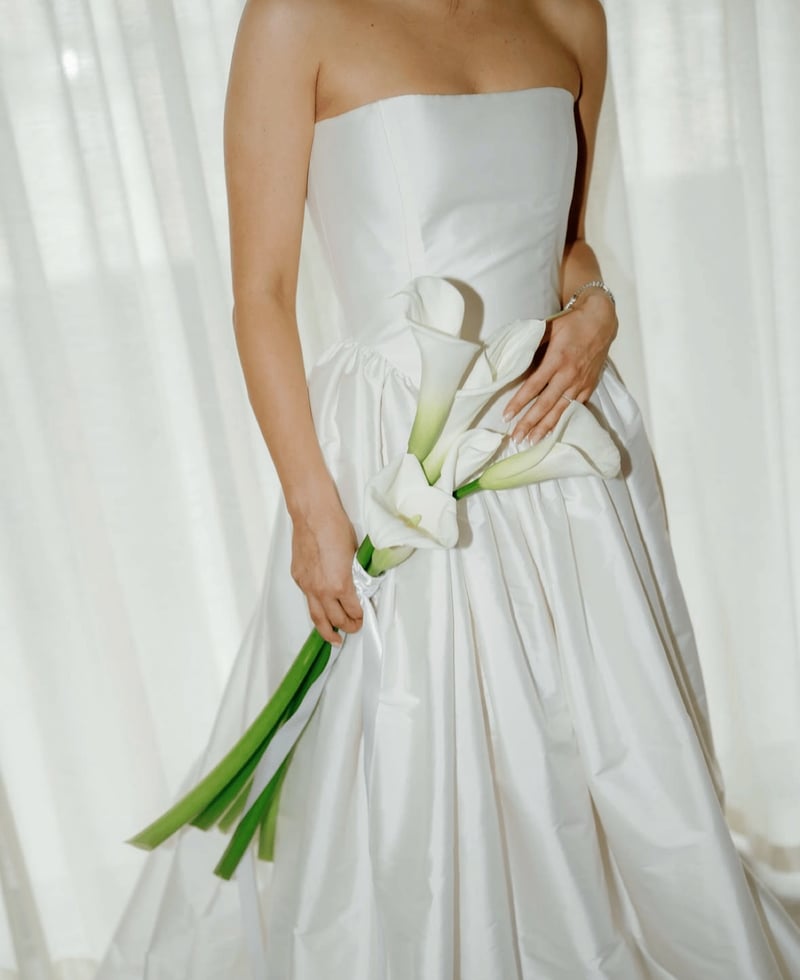
- Single stem bouquet: Featuring just one statement bloom, such as an oversized rose, calla lily, sculptural anthurium or orchid, sometimes adorned with a little extra foliage to give the impression of a lush stem. Minimal, modern and easy to carry.
- Bouquet bags (or handbag bouquets): Chic and fashion-forward, bouquet bags are exactly as they sound – a floral bouquet arranged inside a handbag or purse, carried like an accessory. We love this look for civil ceremonies and city weddings – and it doubles as a great hands-free option for photos and hugs.
- Asymmetric bouquet: A hand-tied style that works beautifully for modern garden weddings, asymmetrical bouquets look different on each side, often filled with a mix of flowers and foliage with stems of varying heights to give that off-centre, architectural shape.
- Ribbon wedding bouquet: Adding a colourful flourish to your wedding bouquet by wrapping it in trailing, hand-dyed silk ribbons is super romantic, and a great way to match it with other details from the day.
Wedding Bouquet Ideas by Flower
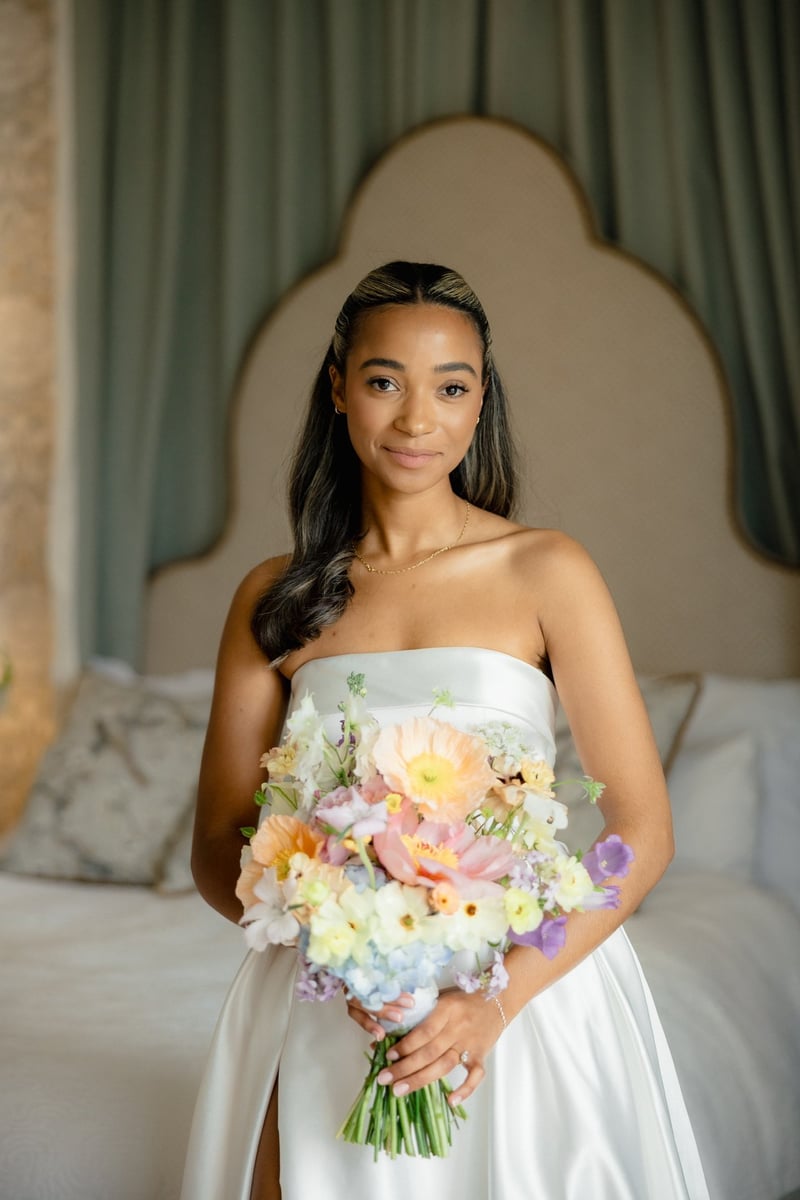
From roses and peonies to sunflowers and gypsophila, these are some of the most popular flower varieties for bouquets and other wedding flower arrangements – and for good reason!
- Roses: Whether you pick the larger, fluffier garden varieties to take centre stage or the smaller, delicate spray roses to accent, roses offer the widest range of looks. In fact, there are more varieties of rose than you probably realise. From classic white and modern yellow to romantic pink and dramatic red, you’ll also find them in a multitude of colours – a rose for every vibe and palette.
- Peonies: Full, ruffled and beautifully romantic, peonies are one of the most-requested flowers for bouquets, but these highly coveted blooms have a very limited seasonal window (April to June) and can be pricey.
- Calla lilies: Sleek, sculptural and a natural fit for single stem and modern bouquets. We adore calla lilies for their luxe and dramatic look.
- Sunflowers: Bright, joyful and relaxed; sunflowers suit rustic and late-summer weddings. Their size means you don’t need many to make a statement either.
- Anemones: With their striking black centres, graphic anemones are instantly recognisable, and the delicate white-petalled varieties look especially great in monochrome bouquets. They are on the delicate side, however, and can be prone to wilting.
- Hydrangeas: Often used in blue, white or green, hydrangeas flourish from early May, making them a popular choice for late spring weddings. Their large, cloud-like heads will fill a wedding bouquet with very few stems.
- Dahlias: There are very few flowers that make a statement like dahlias, which come in so many beautiful, jewel-toned colours and a wide array of sizes. They’re also available throughout late August, September and early October, so great for adding a pop of colour to an autumnal wedding bouquet.
- Tulips: Available in more varieties than you might think, from fringed and double tulips to Rembrandt tulips, which have beautiful red streaks running down their petals. A classic option for late winter and early spring celebrations.
- Orchids: These exotic-looking blooms are a popular choice for cascading bouquets – and their tropical origins make them a perfect fit for destination and beach weddings.
- Gypsophila: Light, delicate, cloud-like and a fabulous ‘filler flower’ for larger bouquets as well as on their own.
- Sweet peas: Another dainty bloom, but one which boasts the most divine scent. Their delicate petals give an ethereal softness that’s hard to beat, yet florists love them because their blossoms bloom along the stem and offer great structure.
- Ranunculus: A fabulous alternative to peonies when the latter are out of season, the ruffly petals of ranunculus are perfect for adding movement and colour to a bouquet.
Every bloom carries its own symbolism too, so dip into our guide to wedding flower meaning if you’d like your bouquet to tell a story.
Wedding Bouquet Ideas by Season
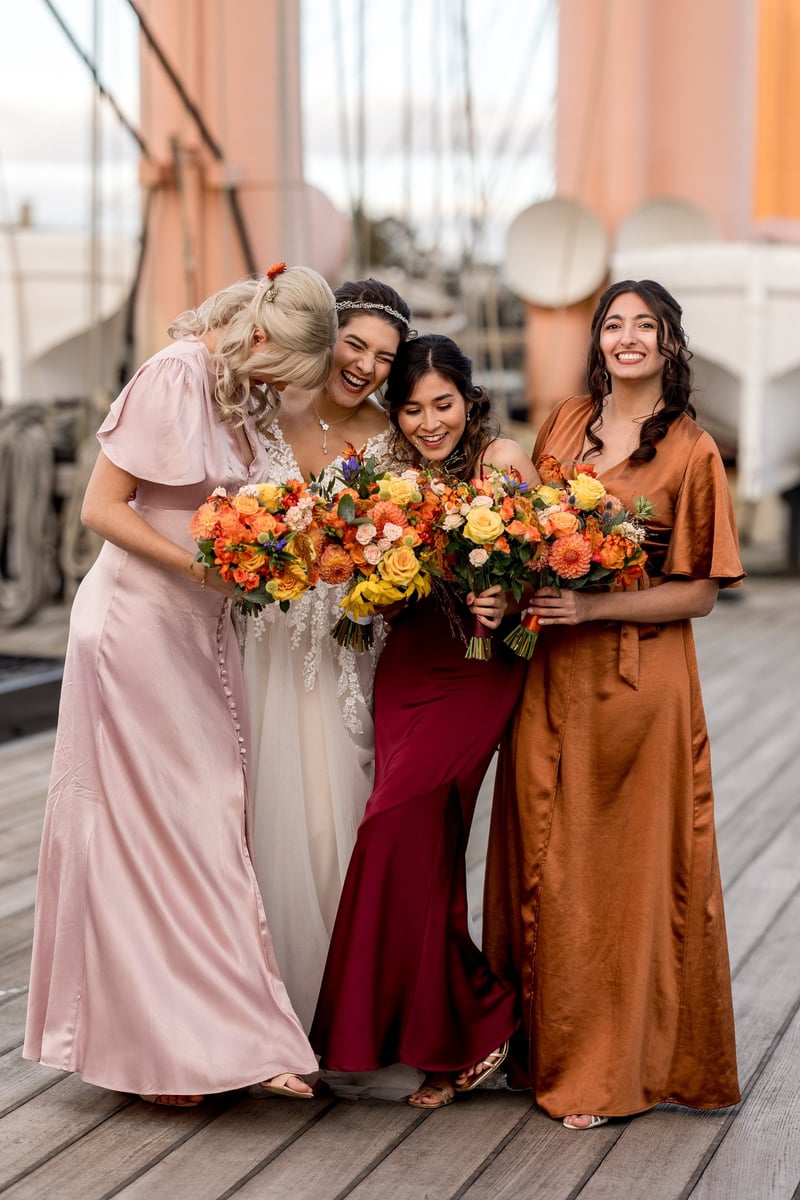
You can, of course, pretty much get hold of any flower you want for your wedding bouquet, but there’s no denying that seasonal flowers are best.
When you pick blooms that are in season, you’ll not only get more for your money, but the flowers will be at their best – and it’s obvious that certain flowers are best suited to nuptials in particular seasons.
Whatever season you’re getting married, the UK has some striking flowers and foliage available to suit:
- Autumn wedding bouquets: Think dahlias, chrysanthemums, amaranthus, rosehips, dried grasses, marigolds, and rich foliage in a palette of rust, burgundy and burnt orange against green.
- Winter wedding bouquets: Amaryllis, anemones, hellebores, ranunculus, winter berries and pine all add up to create the dreamiest winter wedding flowers. Pick blooms in deep jewel tones or crisp white and green.
- Spring wedding bouquets: Gather tulips, daffodils, ranunculus, blossom, sweet peas and abundant lily of the valley in a soft pastel palette for an organic, ‘just picked’ look.
- Summer wedding bouquets: Peonies, garden roses, sweet peas, cornflowers and various wildflowers will add volume and a burst of colour. Sunflowers can also bring a fresh and organic feel to late-summer arrangements.
Wedding Bouquet Ideas by Colour
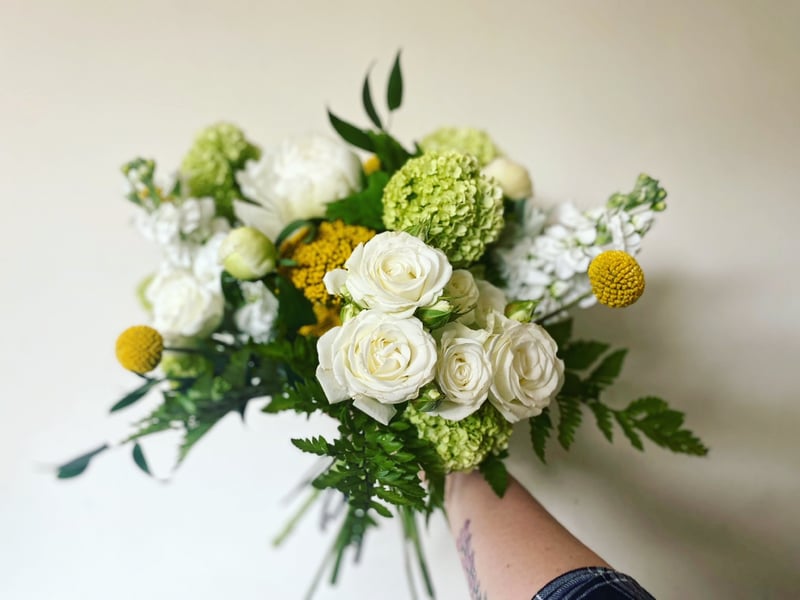
Pinpointing a colour combination can help you choose the right flowers for your bouquet – and your florist will be able to help with this.
“Colour choices tend to vary with the season,” reveals Victoria.
“Soft, romantic palettes, with white, ivory, blush pink and subtle peach tones remain firm favourites. At the same time, more couples are becoming confident with colour, exploring richer shades, unexpected combinations and warmer tones such as butter yellow, apricot, terracotta and burgundy.”
Here are some noteworthy palettes to consider for your wedding bouquet, from classic combinations to modern styles:
- White and green: A timeless and fresh choice that works year-round; think white roses, lisianthus and ranunculus with eucalyptus or olive foliage.
- Shades of blush: Soft and romantic; consider garden roses, peonies and sweet peas.
- Bright and bold: The world is your oyster if you want a joyful and colourful look that stands out; consider dahlias, zinnias and ranunculus in clashing tones.
- Moody and romantic: A strong choice for winter or late autumn weddings, pick blooms in burgundy, plum and chocolate tones like dahlias, scabious and foliage.
- Blue and purple: An unexpected but beautifully modern option for garden and spring weddings – we love delphiniums, hydrangeas, lisianthus and thistles for this cool-toned look.
Dried, Faux and DIY Wedding Bouquet Ideas
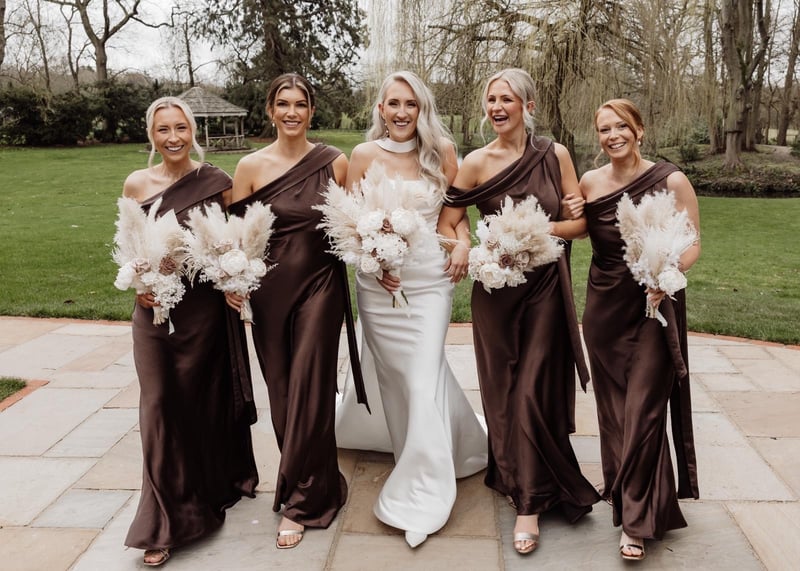
“Couples are certainly becoming more open to alternatives to fresh flowers, particularly as they realise just how beautiful and realistic artificial flowers can be,” reveals Jess.
“One of the biggest draws is that your bouquet doesn’t have to be just for the day, you can keep it and enjoy it for years to come. Dried, preserved and artificial flowers also give couples more flexibility when it comes to colour, availability and planning, so there are lots of reasons to consider them.”
Dried flower bouquets
- Best flower varieties: Dried roses, hydrangeas, pampas grass, lavender, bunny tails, craspedia, preserved eucalyptus, bleached ferns
- Suits: Boho, rustic and autumn and winter weddings, and those who want a longer-lasting keepsake
Faux and silk bouquets
- Best flower varieties: Roses, peonies, ranunculus, orchids, lilies and tulips are all popular varieties that can be crafted from silk and look far more realistic today than they used to
- Suits: Destination weddings or summer celebrations that are especially warm, those with allergies, and anyone who wants to keep the bouquet exactly as it was
How to make a DIY wedding bouquet
Feeling creative enough to make your own bridal bouquet? If you’re the DIY type, here’s some simple step-by-step instructions to making your own:
- Pick and prep your flowers: Remove any excess foliage and thorns and pull off any damaged outer petals before trimming the stems at an angle, about two inches from the bottom. Allow them to have a drink for a few seconds.
- Create a spiral hand-tied shape: Start by assembling four flowers at an even height in a square shape – these will be at the centre of your bouquet. Then arrange the other flowers one by one.
- Bind your bouquet: Use floral tape to bind the stems around three to four inches below the flower heads, where they naturally meet.
- Trim and tidy: Cut the stems so they’re all the same length and finish the handle by wrapping with ribbon. When you reach the bottom, wrap in a spiral back up the stem.
- Protect and store: Wrap your bouquet in tissue and keep it in fresh water overnight (it’s best made the night before).
How to Choose Your Wedding Bouquet
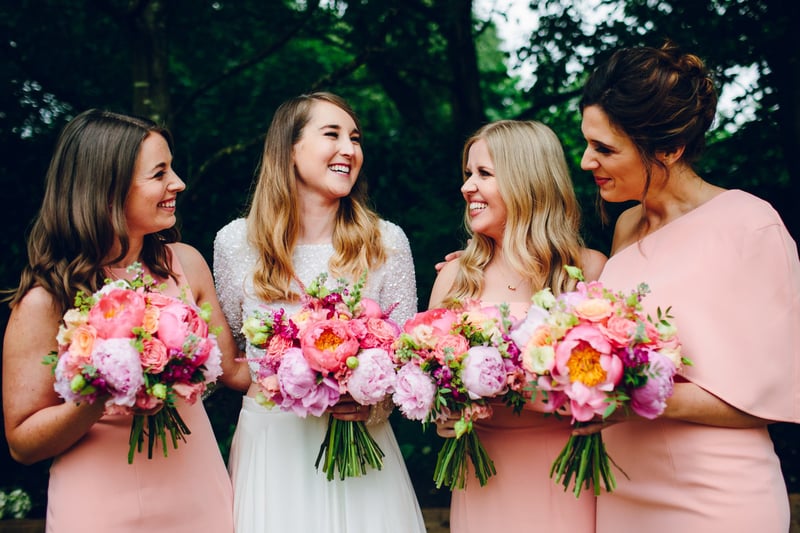
With such a vast array to pick from, choosing your wedding flowers can feel overwhelming. So, how do you choose what goes into your bridal arrangement?
“I’d always recommend thinking about the bigger picture: your dress, venue, colour scheme and the overall feel you want for your day. Your bouquet should complement all of these, but most importantly, it should feel like you,” says Jess.
Victoria agrees: “A wedding bouquet is something very personal and should reflect the couple’s individual style. The most important thing is that the person holding it feels like themselves, and confident carrying it,” she adds.
Here are some ways to help you narrow down your options:
- Start with your outfit’s silhouette: A sleek, column dress suits a cascading or single stem bouquet; a fuller outfit can take a larger, rounder shape.
- Think about your venue and season: A meadow-style, hand-tied bouquet suits a rustic barn; a sculptural bouquet or single stem works well for a registry office in the city.
- Consider the weight and carrying time: Oversized bouquets can get heavy when held across a full ceremony and the photos.
- Bring references to your florist: “Pinterest boards or Instagram screenshots – they’re a great way to show what you love,” says Jess. “Don’t worry about having everything figured out though, it’s our job to take those ideas and bring them together.” Don’t forget a list of questions to ask your florist, too.
- Tie it into the rest of your flowers: “Carry the style and selection of flowers from the wedding bouquet through to the wider floral arrangements to create a cohesive look throughout the wedding,” suggests Victoria.
Your budget will also be a consideration – and how much your wedding flowers will cost will depend on a few factors. Speak to your florist about your flower budget and allow them to guide you – they’re the experts after all!
Wedding Bouquet FAQ
What is the 3:5:8 rule for bouquets?
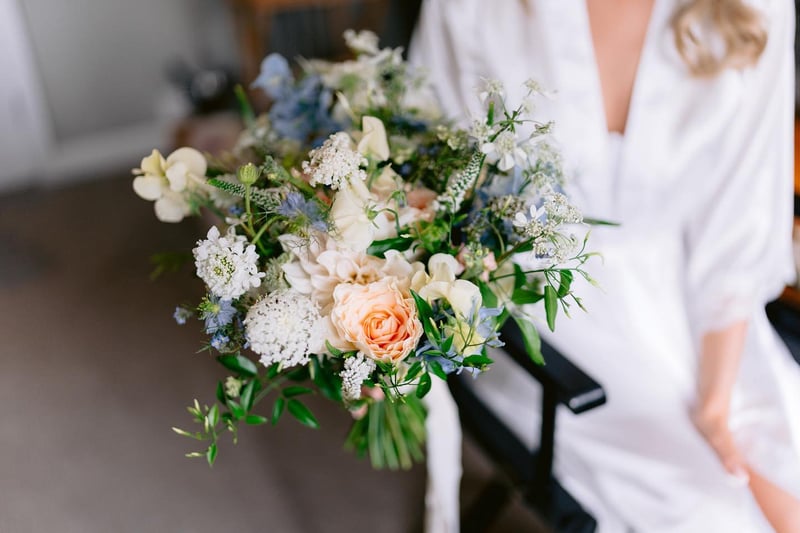
The 3:5:8 rule is a helpful guide for creating a balanced arrangement: three focal flowers, five stems of foliage and eight filler or accent flowers. The larger blooms draw your eye, the foliage adds shape, and the smaller flowers bring everything together.
“However, I wouldn’t get too caught up in the numbers,” adds Jess. “Every bouquet is different, and it’s about playing with colour, shape and texture to create something that works beautifully together.”
What size should a wedding bouquet be?
There are no hard and fast rules when it comes to the size of your wedding bouquet, but typically they will sit somewhere between 8-20 inches in diameter – anything larger than that will be too heavy or cumbersome to carry.
Consider everything from your height and frame to your outfit when choosing the right size and style of wedding bouquet for you.
How much does a wedding bouquet cost in the UK?
Wedding flower costs will vary wildly, depending on factors such as the varieties you choose, the time of year you’re getting married, your florist’s experience and style, and even the location of your wedding.
How far in advance should you order your wedding bouquet?
Aim to secure your wedding florist and order your wedding bouquet around nine months ahead of the day. It’s possible to order a wedding bouquet with less than six months to go, but this should be for simple wedding bouquet styles and small orders only.
How do you keep a wedding bouquet fresh on the day?
Keep your wedding bouquet in clean water until the last possible moment to keep it fresh – but don’t forget to give the stems a good wipe before walking down the aisle with it!
You can maintain freshness throughout the day by keeping it away from direct heat and sunlight and placing it in a clean vase of water. Your florist will have done all the correct prep ahead of time to ensure it lasts, too.
Do you have to carry a bouquet at your wedding?
No, you don’t have to carry a bouquet at your wedding if that’s not your style. Lots of modern couples choose an alternative instead, such as floral baskets or hoops, or swap flowers entirely for something like statement jewellery or a clutch bag.
Find a wedding florist near you
Browse local wedding florists on Bridebook, view portfolios and real couple reviews, and compare prices.
Why Trust Bridebook
Bridebook is the world’s #1 wedding planning platform, used by over 2.8 million couples. Our content is informed by real data from the Bridebook UK Wedding Report, which draws on responses from thousands of couples planning their weddings each year. Where expert input is included, contributors are named and their credentials verified. We update our articles regularly to ensure prices, statistics, and advice reflect current market conditions.
You Might Also Like
- Wedding Flower Prices In The UK
- How To Choose Your Wedding Flowers
- 19 Questions To Ask Your Florist
- Winter Wedding Flowers
- 24 Most Popular Wedding Flowers And Their Meanings
Related articles